[SWOT Self-Strengths and Weaknesses, Center of Gravity Analysis Corresponding Strategies]
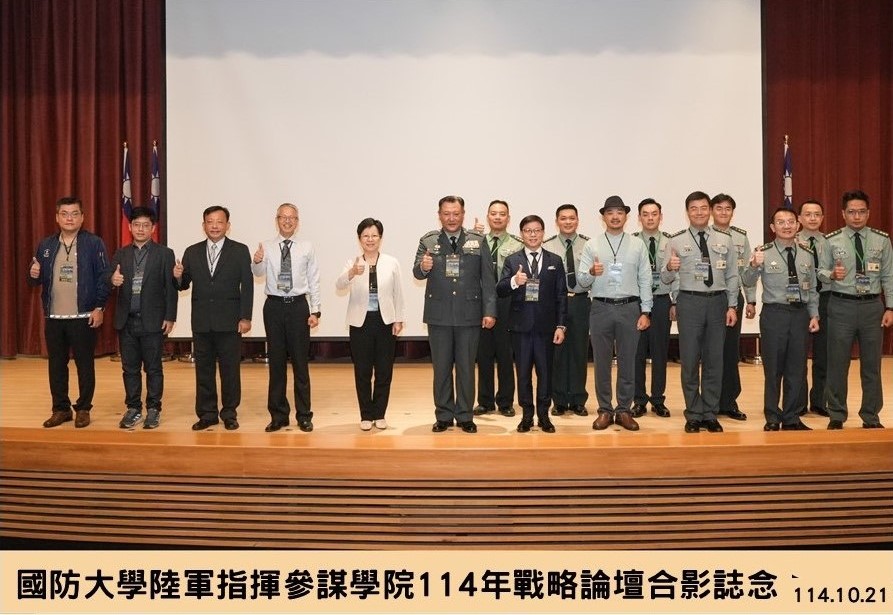
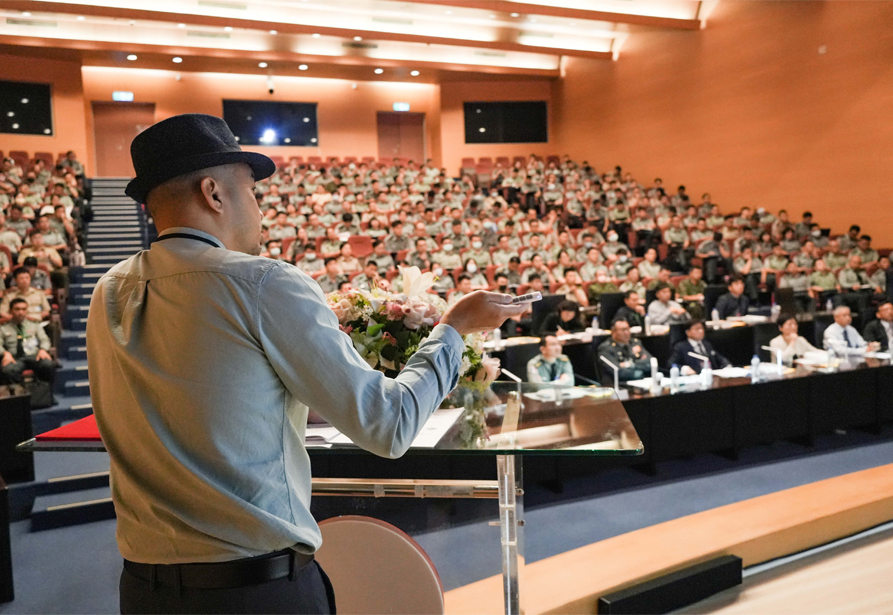
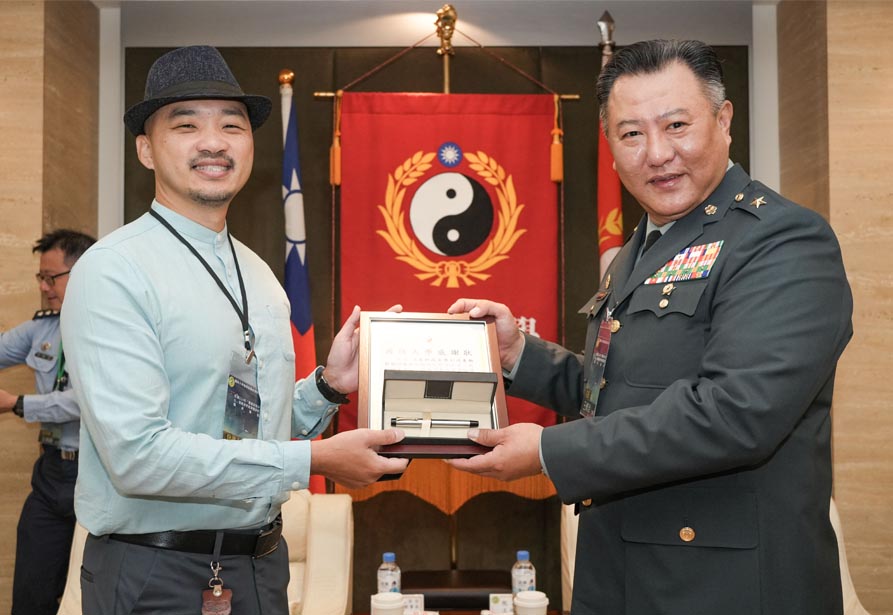
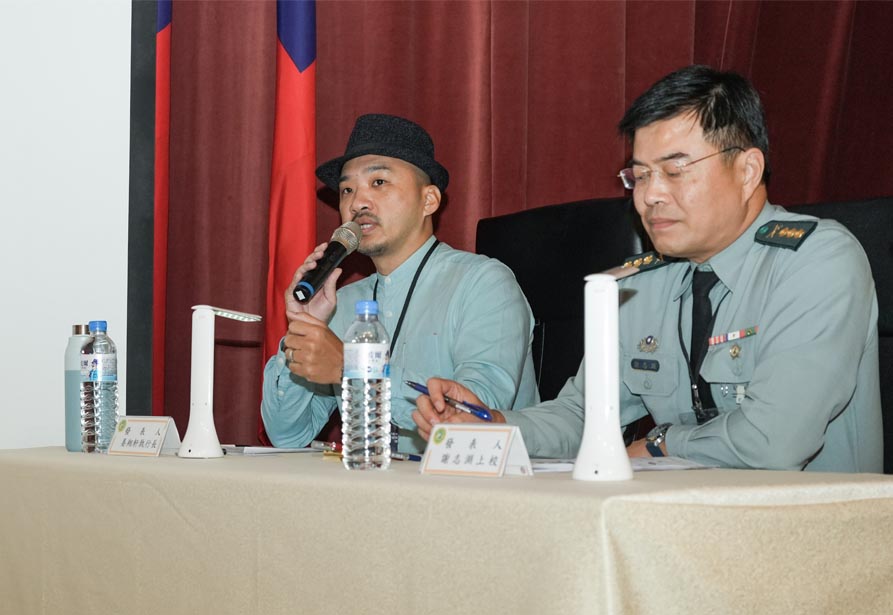
At the National Defense University annual strategic academic conference, "Source Strike 2.0" was officially released, becoming one of the most eye-catching highlights of the event. The book was co-authored by Colonel Xie Zhiyuan from National Defense University and Master Xiao Jiang, founder of 汝來神掌, combining theoretical deduction with wargaming practice to reassess the key aspects of national defense in gray-zone conflicts and full-spectrum operational scenarios.
The book uses SWOT analysis as its backbone, systematically reviewing our combat strengths, structural weaknesses, external opportunities, and potential threats, and further applies "center of gravity analysis" to identify decisive elements affecting the battle. It breaks down strategies from strategic to operational levels and proposes extended operational plans that can be practically exercised and verified.
"Source Strike 2.0" not only discusses firepower but also emphasizes three dimensions: information, rhythm, and decision-making. It explains how to shape favorable conditions before combat, control decision cycles during combat, and create deterrent effects after combat. These concepts are equally applicable to corporate risk management and critical decision-making—first grasp the trend's center of gravity, then choose the most effective action points.
These academic areas may seem unrelated to destiny, yet they are deeply connected.
This is because Master Xiao Jiang's interpretation of palmistry and fate is based on SWOT analysis to identify self-strengths and weaknesses, and then uses center of gravity analysis to find corresponding strategies and priorities.
This directly affects each person's destiny trajectory and outcome!