Scientific and Folk Methods: Skillfully Resolving Fire Sha
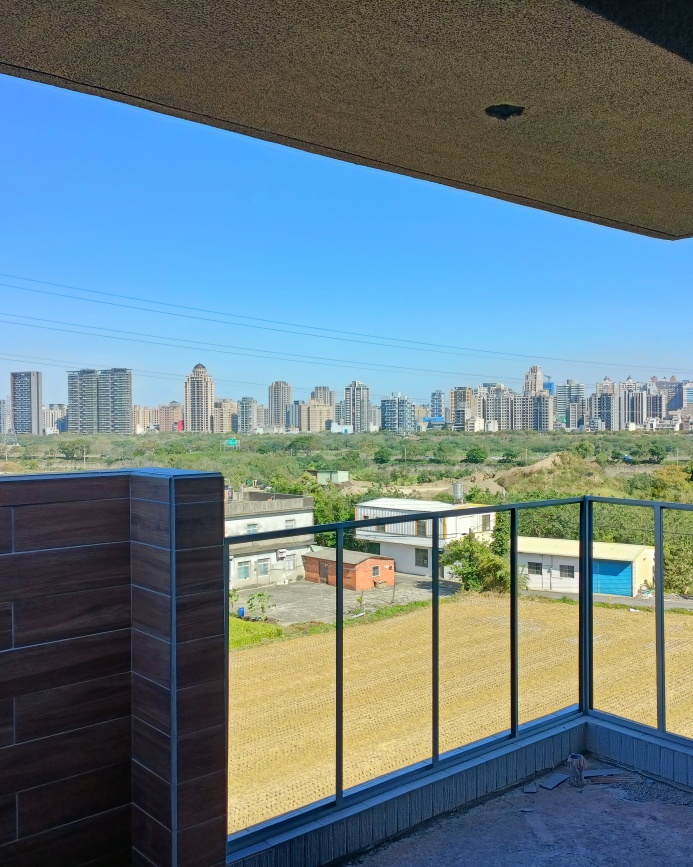
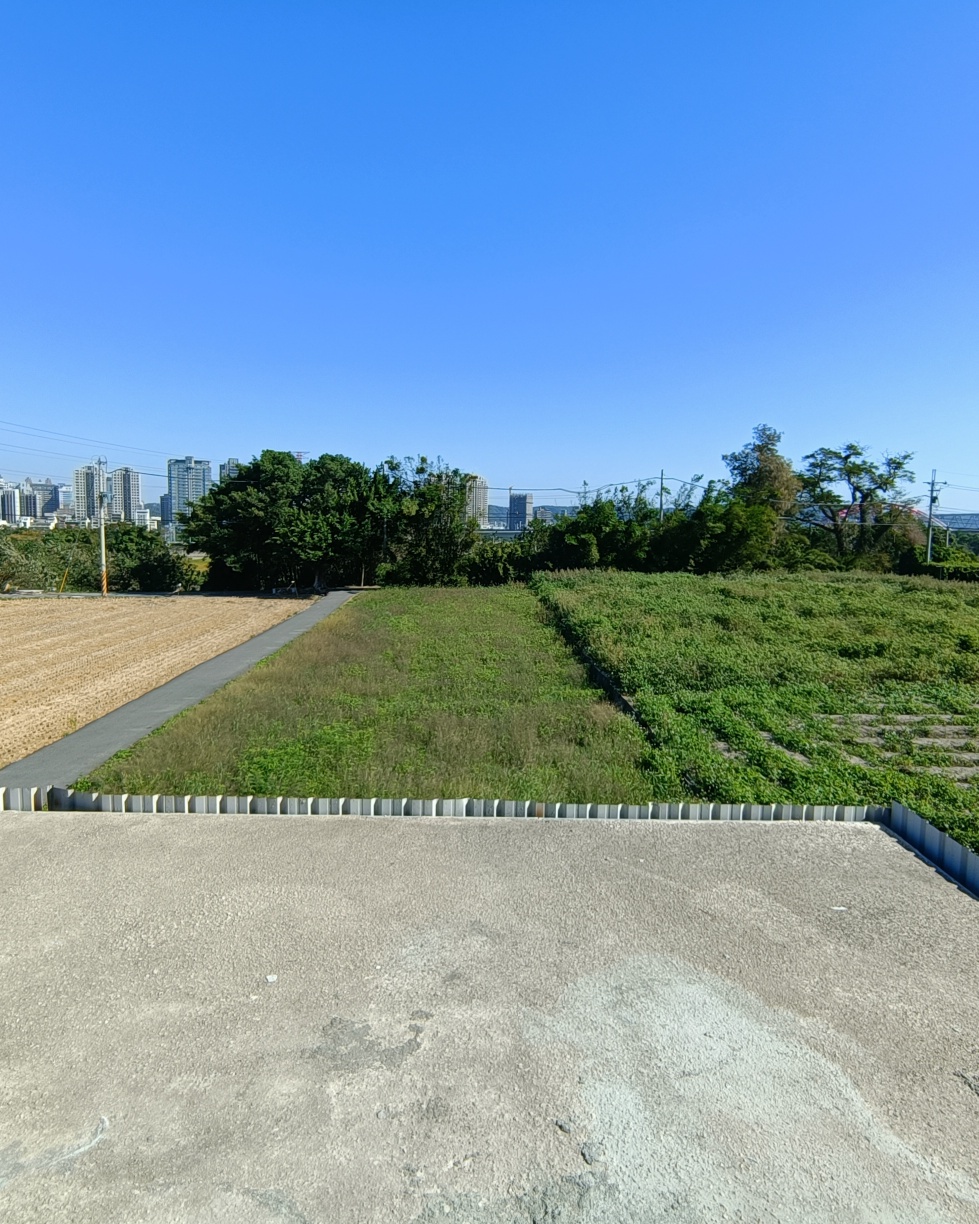
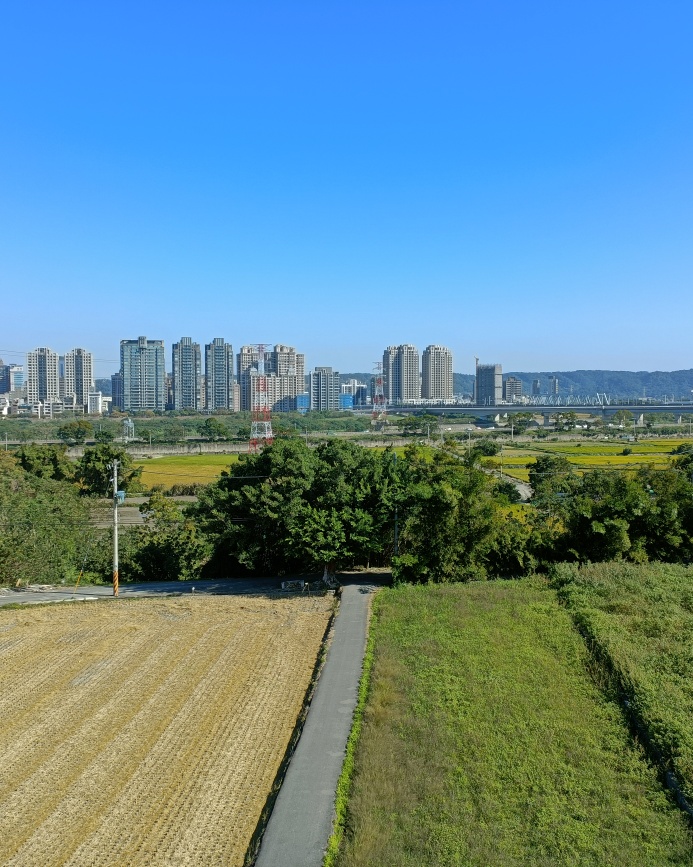
Master Xiao Jiang arrived in Zhudong at 8 AM to assess the Feng Shui, at what could be called a "countryside mansion." It's located on a rural road near the popular Hsinchu Science Park, and it's a multi-story house with an elevator! (Nearly 20 million... a wealthy person). The homeowner was very wise, knowing that a Feng Shui survey should be completed before renovation. This way, all kinds of Sha (negative energies) can be completely resolved!
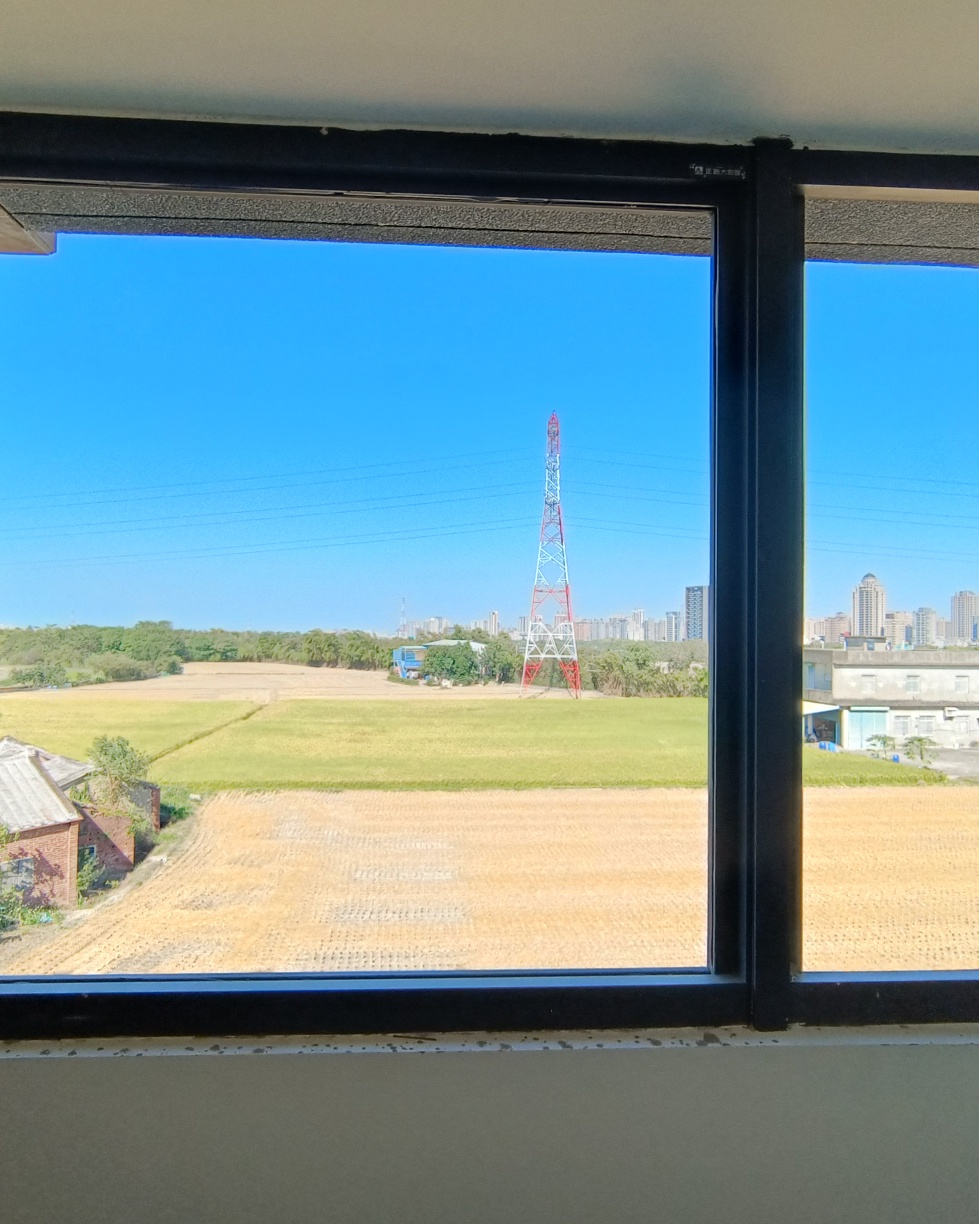
The interior of this mansion basically had no issues; the problem was with the exterior. The most troublesome factor was a large power pylon outside, which is called "火形煞" (Fire Sha) in Feng Shui! Due to its structure, from certain angles, it resembles a centipede, so it's also known as "蜈蚣煞" (Centipede Sha), which can easily lead to health problems for residents. From a scientific perspective, facing sharp, protruding columnar shapes can easily cause visual discomfort, affecting appetite and sleep, and subconsciously leading to stress.
Method of resolution: Folk methods involve placing a wooden or bronze rooster at the position facing the source of the Sha, using the meaning of "a rooster eating a centipede" to resolve the Sha. The scientific method combined with folk methods means hanging a "山海鎮" (mountain-sea charm) with an anti-electromagnetic radiation贴板 or device on its back, which is also very effective!